Surfaces That Meet Engineering Specifications
Grading in Weatherford for commercial site development, residential building pads, and road preparation requiring precise slope control
When water pools near building foundations or drainage channels fail to direct runoff away from structures, the underlying cause is often improper site grading performed without attention to slope tolerances and compaction standards. Firm Foundation Earthworks operates dozer fleets capable of precision grading across residential and commercial projects in Weatherford and Parker County, where the surge in data center construction and expanding road networks have created sustained demand for contractors who can deliver grade-work at scale. You'll notice that properly graded surfaces shed water predictably and provide stable bases for pavement, concrete slabs, or landscaping.
Grading involves shaping soil surfaces to specific elevations and slopes, which controls drainage flow and prepares sites for construction. The process integrates with excavation and site prep work, often completed in a single equipment pass to avoid multiple mobilizations and reduce compaction inconsistencies that occur when equipment crosses the same ground repeatedly.
Arrange an on-site assessment to identify grading requirements based on your property's existing topography and drainage patterns.
How Slope Tolerances Affect Long-Term Performance
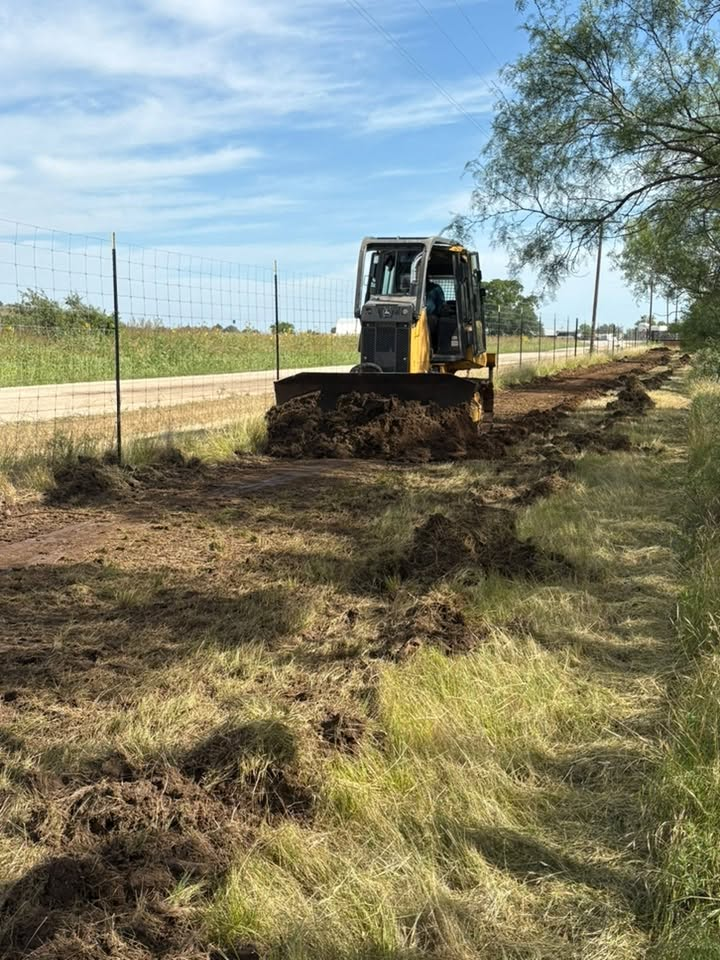
Grading work is measured in inches over hundreds of feet, and maintaining consistent slope across large areas requires dozer operators who can read grade stakes and adjust blade angles without over-cutting high spots or leaving low pockets. Commercial projects often specify slopes between one and three percent depending on pavement design and stormwater management plans, while residential pads require steeper grades near foundations to prevent water intrusion.
Once grading is finished, water moves across your site in predictable paths rather than pooling in depressions or flowing toward structures, and construction crews can pour slabs or install utilities on surfaces that meet compaction and elevation specifications. The difference between rough grading and finish grading is visible in how tightly the final surface matches design elevations, with finish work often requiring multiple passes and string-line verification.
Parker County's commercial development activity has increased the frequency of multi-acre grading projects where equipment efficiency directly impacts project timelines, particularly for data center sites that require large building pads with strict drainage control and utility coordination across phased construction schedules.
Common Grading Project Questions
Contractors and property owners frequently ask about grading accuracy, equipment capabilities, and how site conditions influence the grading process.
What is the difference between rough grading and finish grading?
Rough grading establishes general site elevations and drainage slopes within several inches of final design, while finish grading refines surfaces to tighter tolerances required for pavement, concrete, or landscaping installation.
How do you verify that grading meets specifications?
Grade stakes and laser levels guide dozer operators during the work, with final elevations checked using surveying equipment to confirm that slopes match engineering plans and drainage flows toward designated collection points.
What site conditions make grading more complex?
Rocky subsoil, high water tables, and existing utilities all require adjustments to equipment selection and grading sequences, with wet conditions in Weatherford sometimes necessitating soil stabilization or schedule changes to prevent equipment from rutting subgrade layers.
When should grading be completed relative to other site work?
Grading typically follows clearing and excavation but precedes utility trenching and paving, with coordination required to avoid rework if underground infrastructure changes final surface elevations.
How does equipment size affect grading efficiency on commercial projects?
Larger dozers move more material per pass and maintain consistent blade control over longer distances, which reduces project duration on multi-acre sites where smaller equipment would require excessive passes and increase compaction variability.
Firm Foundation Earthworks integrates grading with excavation and drainage work to deliver build-ready sites that meet engineering tolerances for commercial and residential projects across Parker County. Contact the office to discuss grading needs and site-specific challenges for your development project in Weatherford.